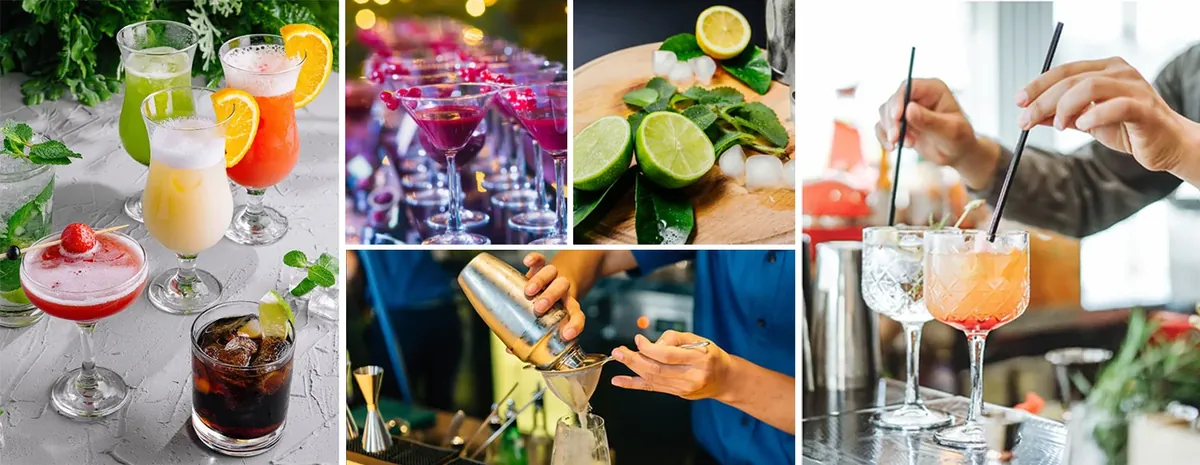
When organising a corporate activity, one of the most common challenges is choosing something that works for a diverse group. Cocktail Making Team Building for Companies meets that challenge well because it adapts to different paces, personalities and levels of involvement. It doesn’t demand physical effort, doesn’t put anyone on the spot and doesn’t require any previous skills. Instead, it invites the team to take part through simple, short, complementary tasks that, without being demanding, require real cooperation.
The workshop combines technical explanations, guided practice and a final exercise in which each team designs its own cocktail. This process lets everyone contribute something: measuring, garnishing, coordinating, explaining the idea, adjusting the recipe, choosing ingredients or simply supporting the team from a more strategic role. It is precisely this versatility that makes the activity work even with teams who don’t know each other well or are going through a phase of low interaction.
The sensory setting, with its aromas, colours, textures and mixing techniques, also provides a pleasant stimulus that helps break the routine. The team finds itself in a different context from usual, which helps communication flow more naturally and directly.
HOW THE ACTIVITY RUNS
The workshop follows a progressive structure so that participants get to know the basic techniques before moving on to the more creative part. Although each session can be adapted to the needs of the event, it usually includes the following stages:
1. WELCOME AND CONTEXT
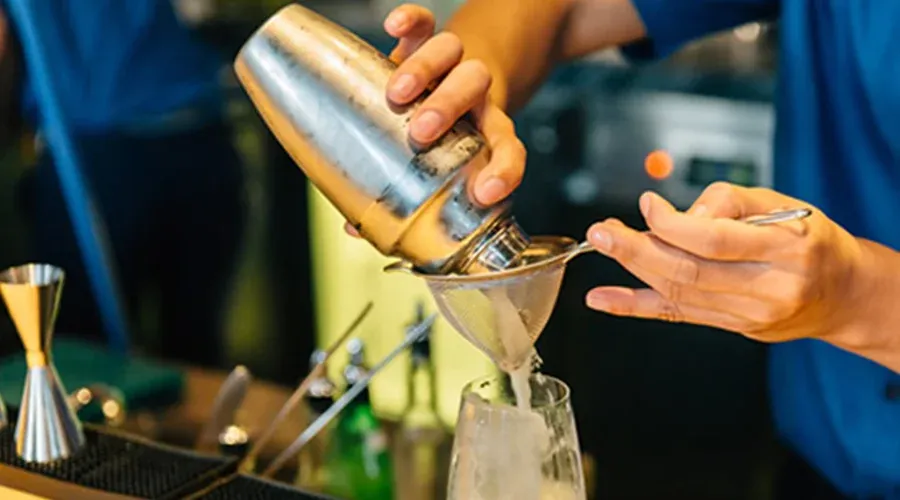
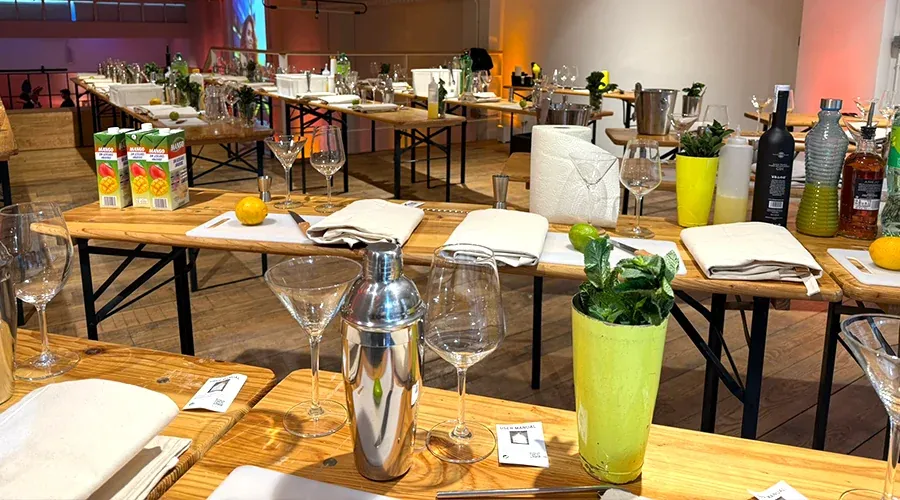
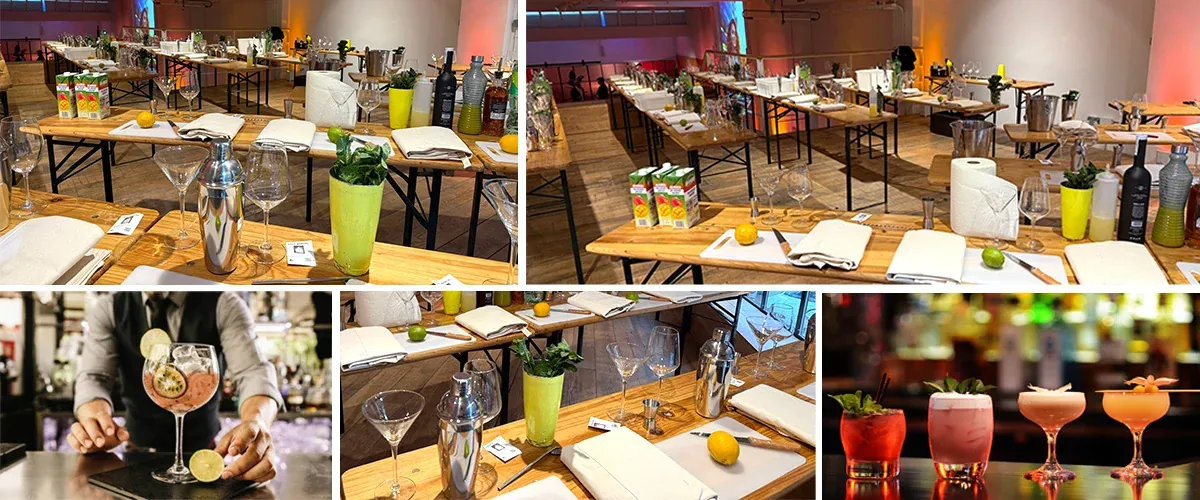
The facilitator introduces the activity, explains the aim of the workshop and presents the materials that will be used. This covers basics such as using the jigger and the shaker, types of mixing and balancing flavours. Safety rules and guidelines for working as a team are also set out.
2. GUIDED PRACTICE WITH STARTER RECIPES
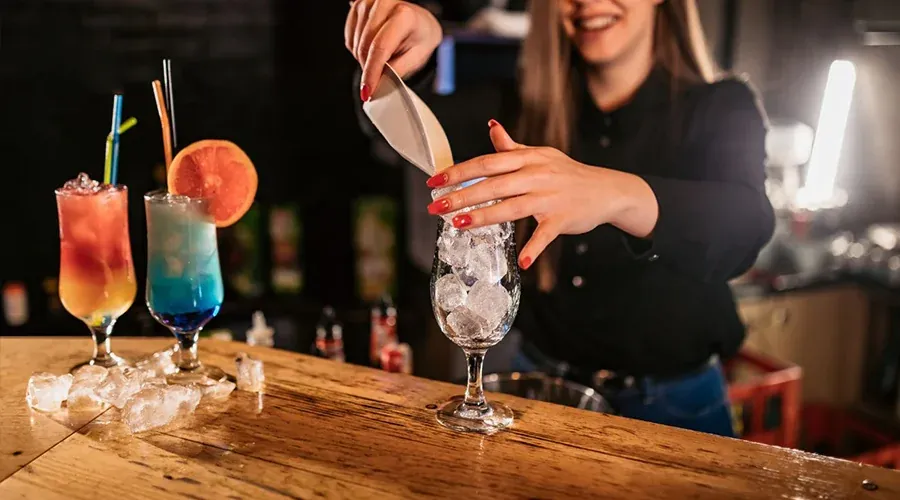
Before designing their own creations, participants make one or two classic cocktails following a step-by-step guide. This practice helps them get comfortable with the utensils, understand proportions and get to know techniques such as shaking, muddling and layering. The guided part is educational but also enjoyable, so the learning happens naturally.
3. TEAMS CREATE AN ORIGINAL COCKTAIL
Once the whole group has mastered the basics, the main challenge is set: create your own recipe. Each team chooses ingredients, tries combinations, adjusts quantities and decides on the final presentation. This moment is key in the Cocktail Workshop for companies, as it calls for constant communication, sharing out tasks and quick decision-making. Although creativity is essential, the approach stays accessible; people are encouraged to experiment without fear of getting it wrong.
4. PRESENTATION AND TASTING
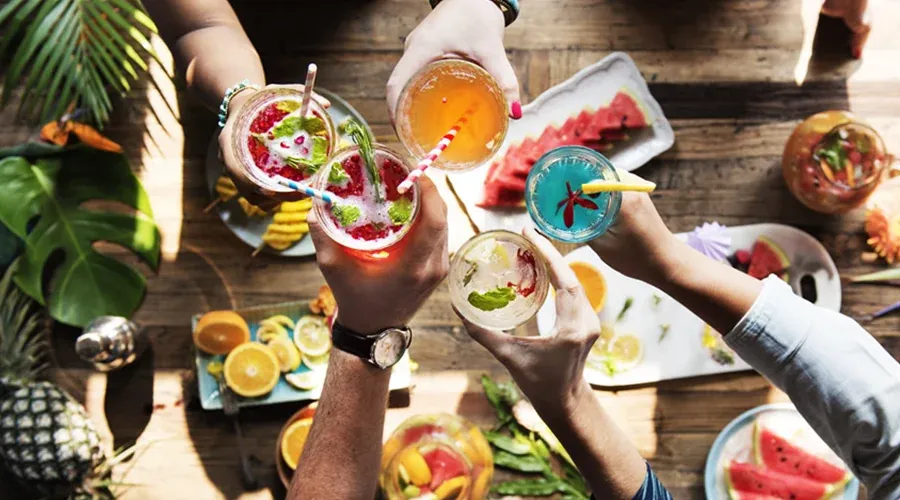
The teams present their cocktail, explain the inspiration behind the recipe and share the result with the other participants. This phase involves a moderate amount of public speaking and recognises the joint work, giving a relaxed and positive close. The group tasting reinforces the sense of shared achievement.
5. WRAP-UP AND CONCLUSIONS
The facilitator pulls together the practical lessons and highlights the coordination and communication that came up during the workshop. The activity ends with a sense of having learnt something useful and of having strengthened group cohesion.
WHAT IT GIVES YOUR TEAM
One of the strengths of Cocktail Making Team Building for Companies is that it brings together educational, social and creative aspects in a single exercise. Beyond the entertainment, the activity delivers a number of concrete benefits:
- Direct, clear communication: The recipes need precision, and achieving it means the team has to coordinate and express ideas quickly and concretely. This encourages a more honest and efficient way of interacting, which then carries over into the workplace.
- Real cooperation on complementary tasks: Each person takes on a role, and that role contributes tangibly to the final result. Cocktail making makes these small interdependencies visible, which helps teams better understand how they work internally.
- Practical creativity: Creating an original cocktail is an exercise in small-scale innovation: you have to try, discard, adjust and decide, all within a limited time. This kind of creative thinking is especially useful for teams working in environments that require flexibility.
- A relaxed setting that helps people connect: As it is a pleasant, sensory activity, the atmosphere becomes friendlier without losing professionalism. Interactions become easier, conversations flow and participants relate to each other without stiffness.
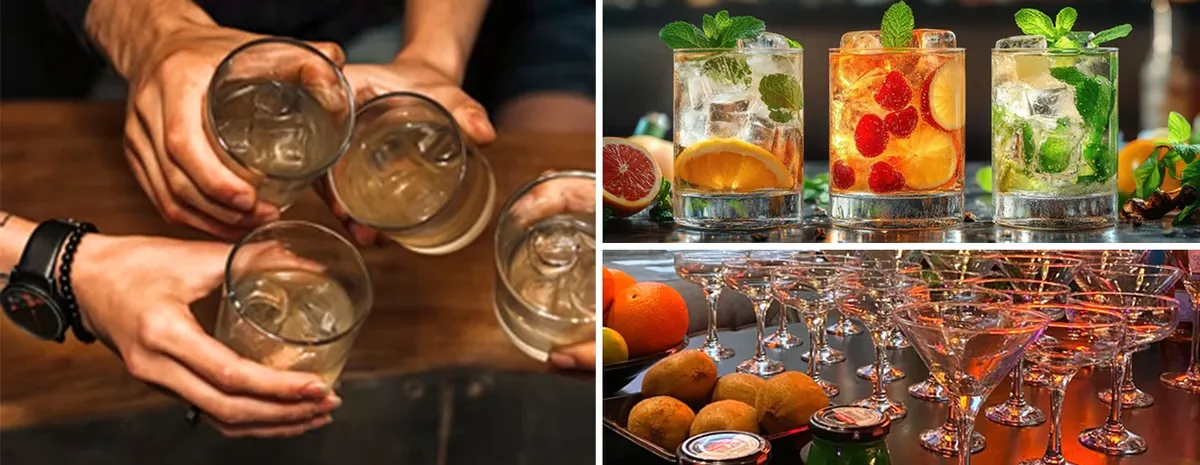
- Inclusivity: All the recipes can be made alcohol-free while keeping the cocktail’s technique and look. This means everyone can take part without limitations.