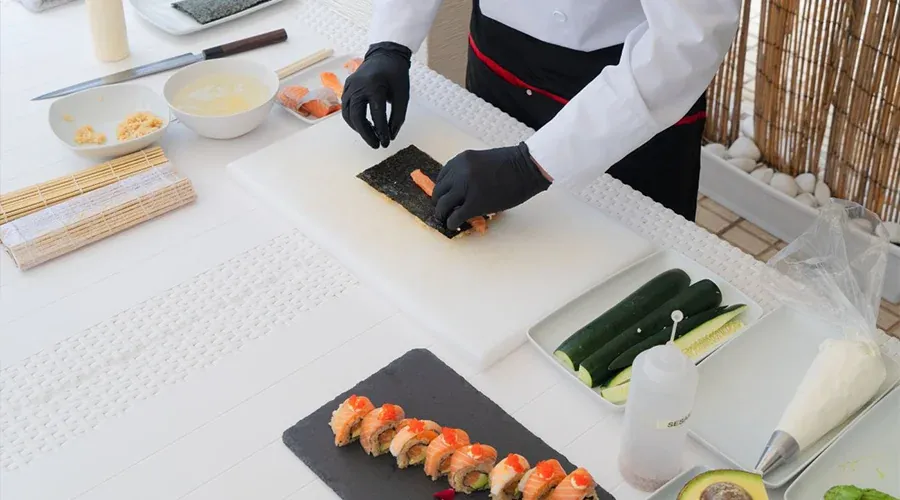
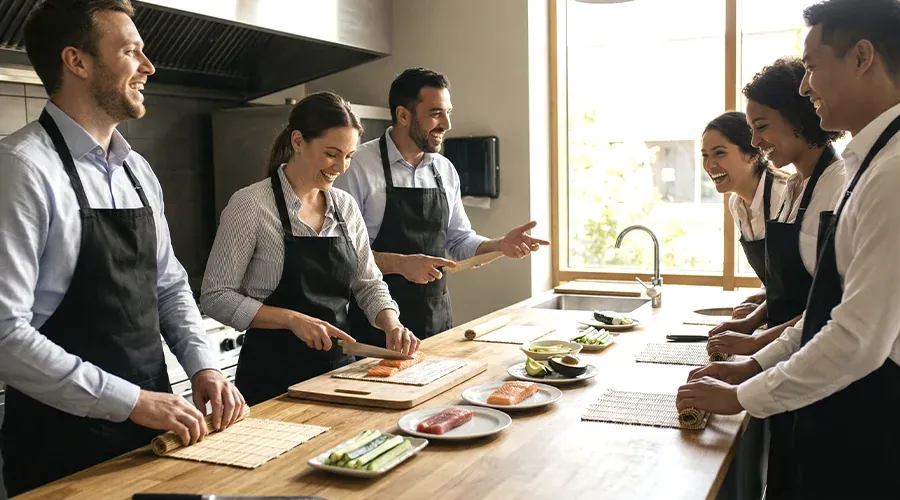
The Sushi Making Team Building format follows the logic of a cooking competition: teams, a challenge, limited time and a final presentation. Each group receives ingredients, utensils and a clear brief. From there, they have to get organised, make decisions and carry out their plan.
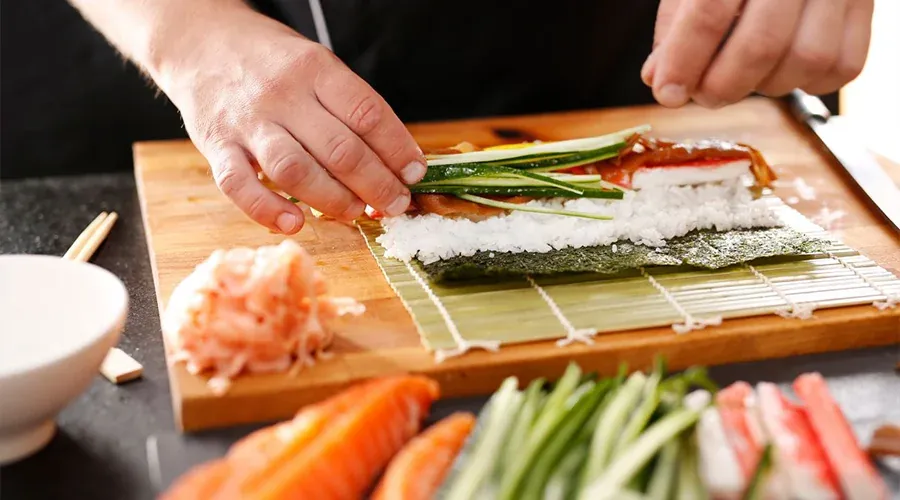
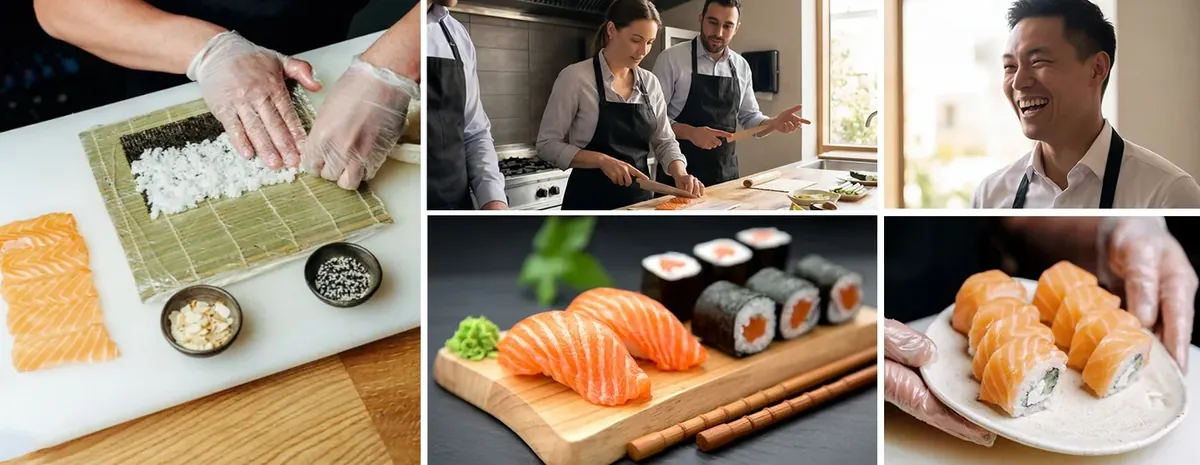
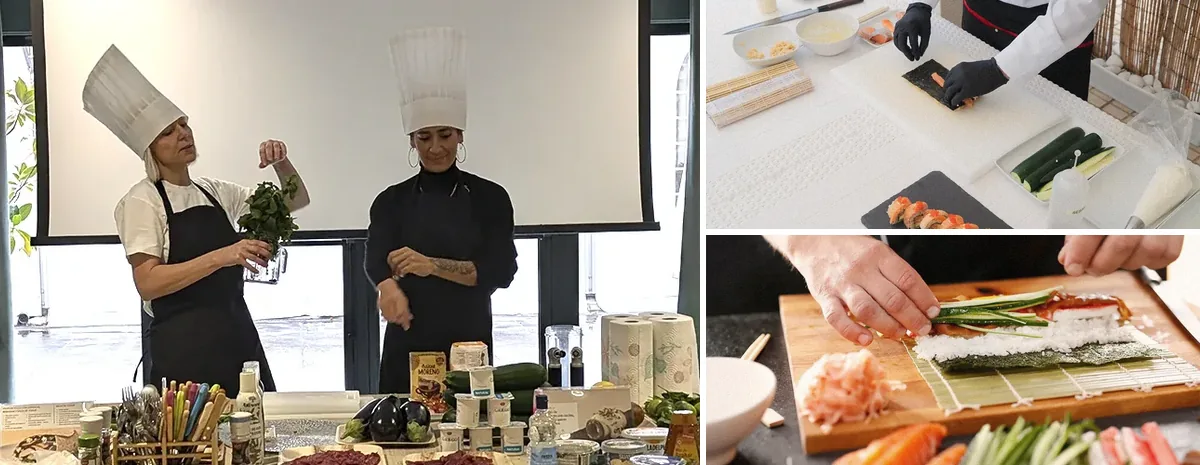
The activity starts with a short technical introduction in which a specialist chef explains the basics: preparing the rice, handling the fish, precise cutting, assembly and presentation. No previous knowledge is needed. The approach is practical and accessible.
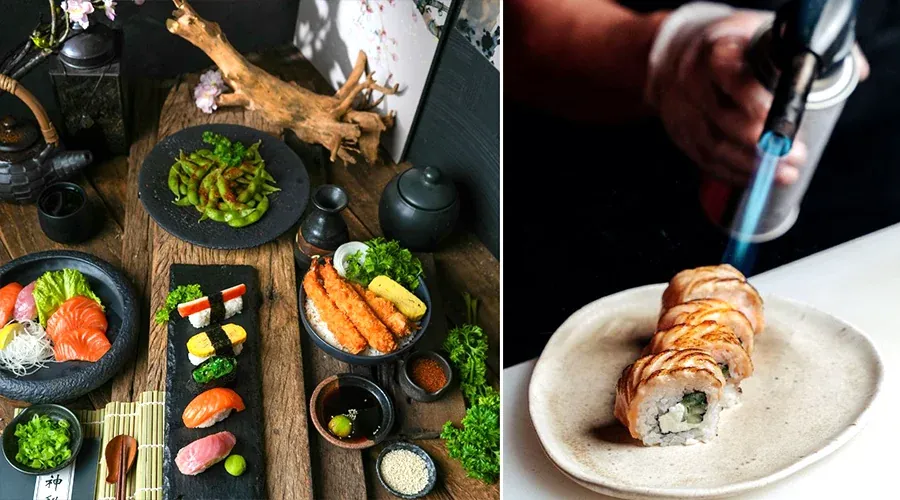
Then comes the challenge. Each team has to design its dish and decide which pieces it will make: maki, nigiri, uramaki or more creative options, and share out the tasks. The clock is ticking. Decisions count. And coordination becomes key.
This Sushi workshop for companies combines creativity, technique and teamwork. It is about working together under light pressure and keeping the quality in every detail, as well as cooking.
HOW SUSHI MAKING TEAM BUILDING WORKS
Sushi Making Team Building follows a clear structure, designed to keep up the pace and make sure everyone takes an active part:
- 1. Welcome and initial briefing: Introduction of the chef and explanation of how the activity works
- 2. Basic training: Hands-on introduction to the essential sushi techniques.
- 3. Team challenge: Designing and making the team’s dish.
- 4. Final presentation: Each team presents its creation, explaining the concept, ingredients and strategy.
- 5. Tasting and wrap-up: Judging and recognition of the work done.
- Breaking down hierarchical barriers: in the kitchen everyone collaborates on equal terms, which makes it easier to integrate different profiles, departments or levels.
This structure turns the event into more than a simple Sushi workshop in Madrid. It is a structured experience, with clear objectives and a storyline that holds the group’s attention from start to finish.
A FORMAT THAT ADAPTS TO DIFFERENT TYPES OF COMPANY
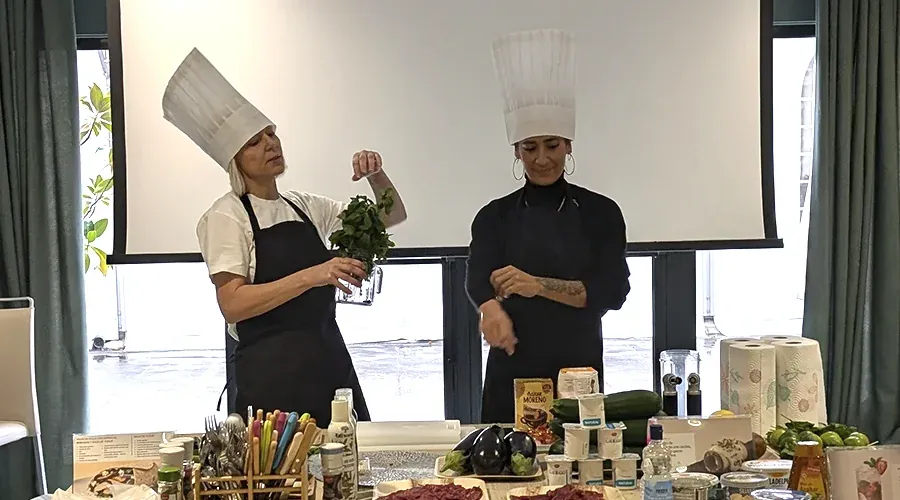
Sushi Making Team Building works for small teams and large groups alike. It can be held in large rooms, corporate spaces or specialist food venues.
It can also be tailored to the level of competition you want. Some companies prefer a more playful approach; others go for a format with a jury and scoring. Either way, the result is the same: a shared experience that breaks the routine and strengthens bonds.
For companies based in the capital, the Madrid Sushi workshop format lets you hold the activity in suitable spaces with all the equipment needed.
A REAL EXAMPLE OF THE IMPACT ON A COMPANY
A company in the tech sector organised a Sushi Making Team Building to close the quarter. The team had been working remotely for months and barely knew each other in person. During the activity, people who hardly spoke up in meetings took on leadership roles in the kitchen. Others discovered organisational skills they had not shown in their usual setting.
The result was a more relaxed atmosphere and smoother communication in the weeks that followed. The interesting thing is that it was not just about making sushi. It was the process that changed the dynamic.